Choosing a new toilet is a foundational decision for any bathroom renovation. It dictates your room’s flow, cleaning routine, and overall aesthetic. When comparing a wall hung vs floor mounted toilet, the primary conflict often sits between modern minimalism and traditional practicality.
En-suites and cloakrooms often lack square footage, the "floating" look is more than a trend. It’s a strategic choice to make tight spaces feel airy. This guide breaks down the functional differences, costs, and space-saving advantages of both styles to help you select the perfect fit for your home.
Key Takeaways:
- Space Saving: Wall-hung toilets create the illusion of a larger room by keeping the floor clear.
- Cleaning: Floor-mounted toilets have more "nooks and crannies," while wall-hung models allow for a quick mop underneath.
- Installation: Floor-mounted units are easier to retrofit; wall-hung models require a concealed frame and structural wall support.
- Customisation: You can set the height of a wall-hung toilet during installation, which is ideal for accessibility.
What defines a wall hung vs floor standing toilet?
The distinction lies in how the unit is supported and where the cistern sits.
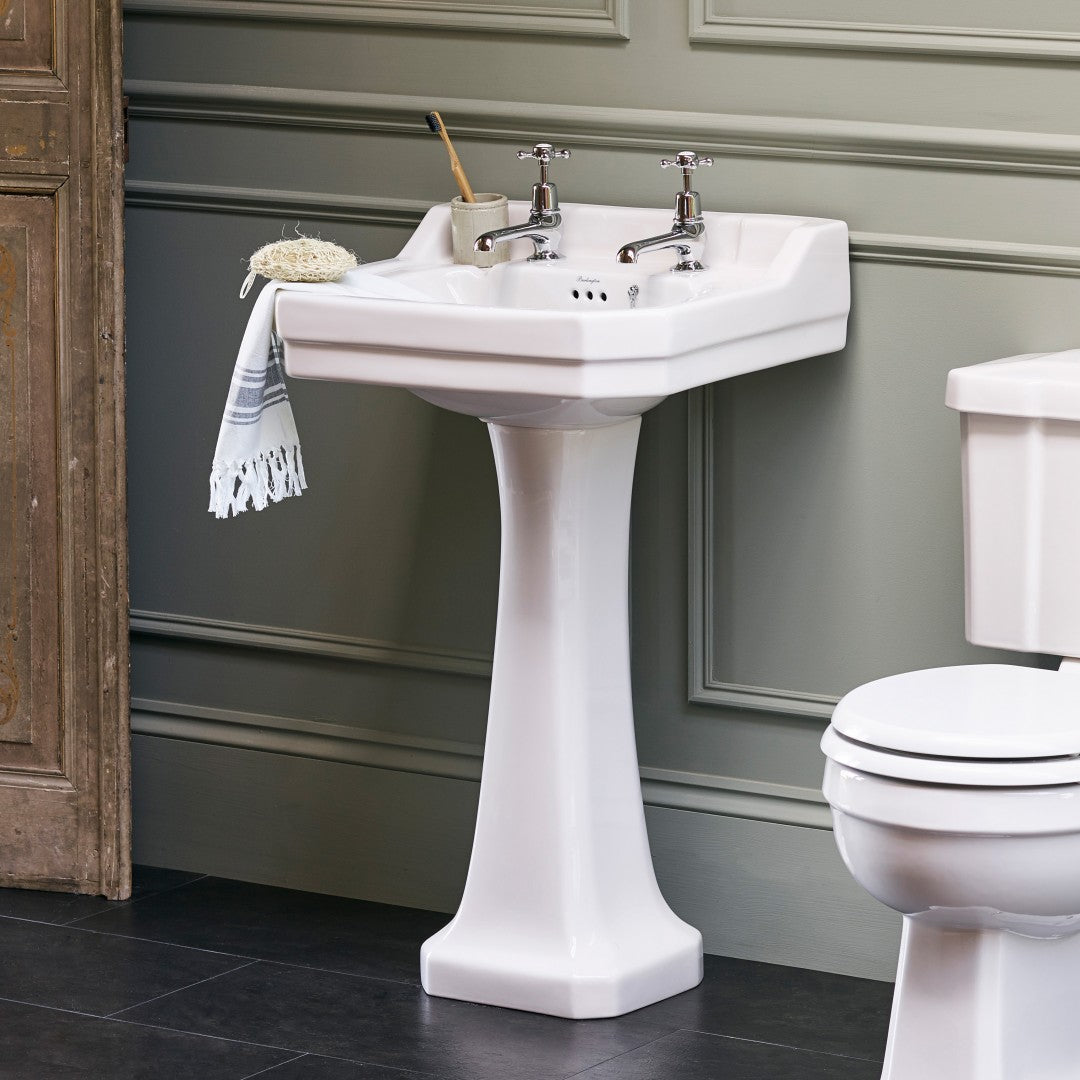
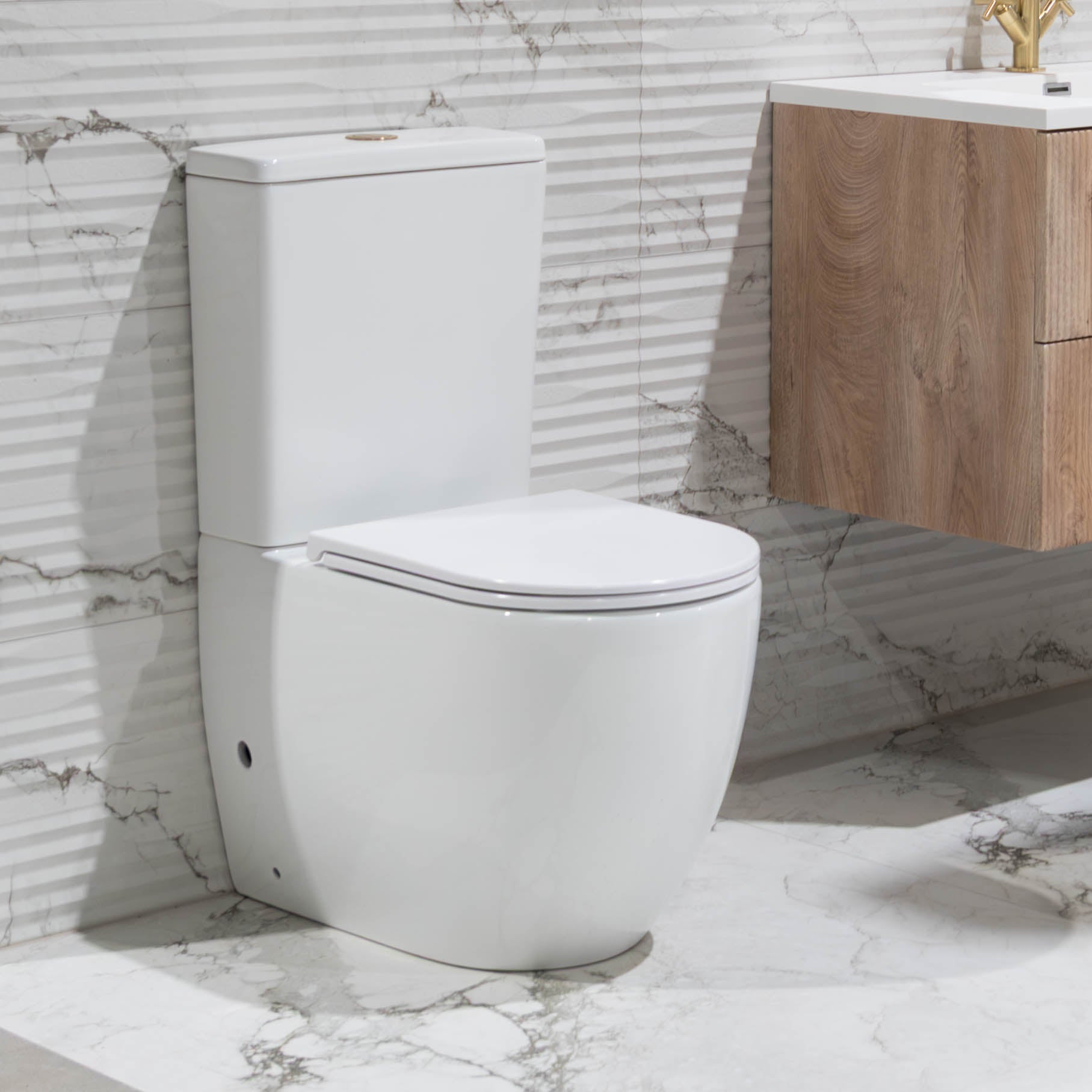
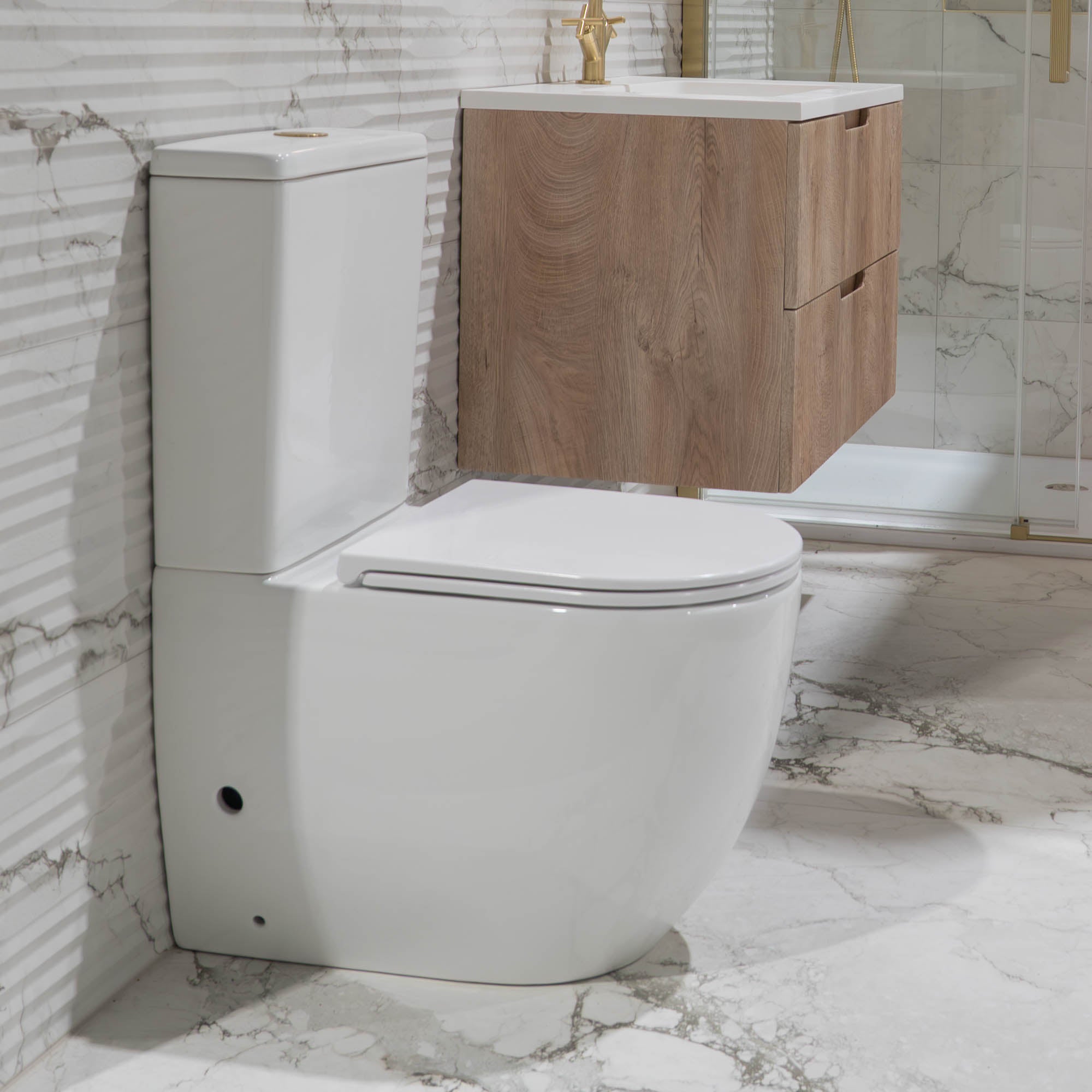
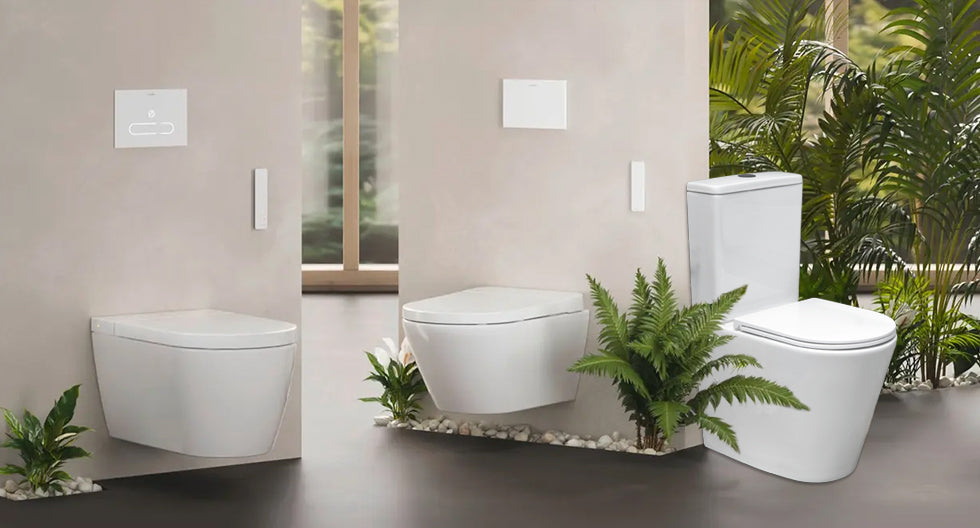
A floor-mounted toilet is the classic choice. The weight sits directly on the bathroom floor, and the cistern is usually visible (close-coupled) or hidden behind a small furniture unit. These are reliable, easy to install, and work with almost any existing plumbing layout.
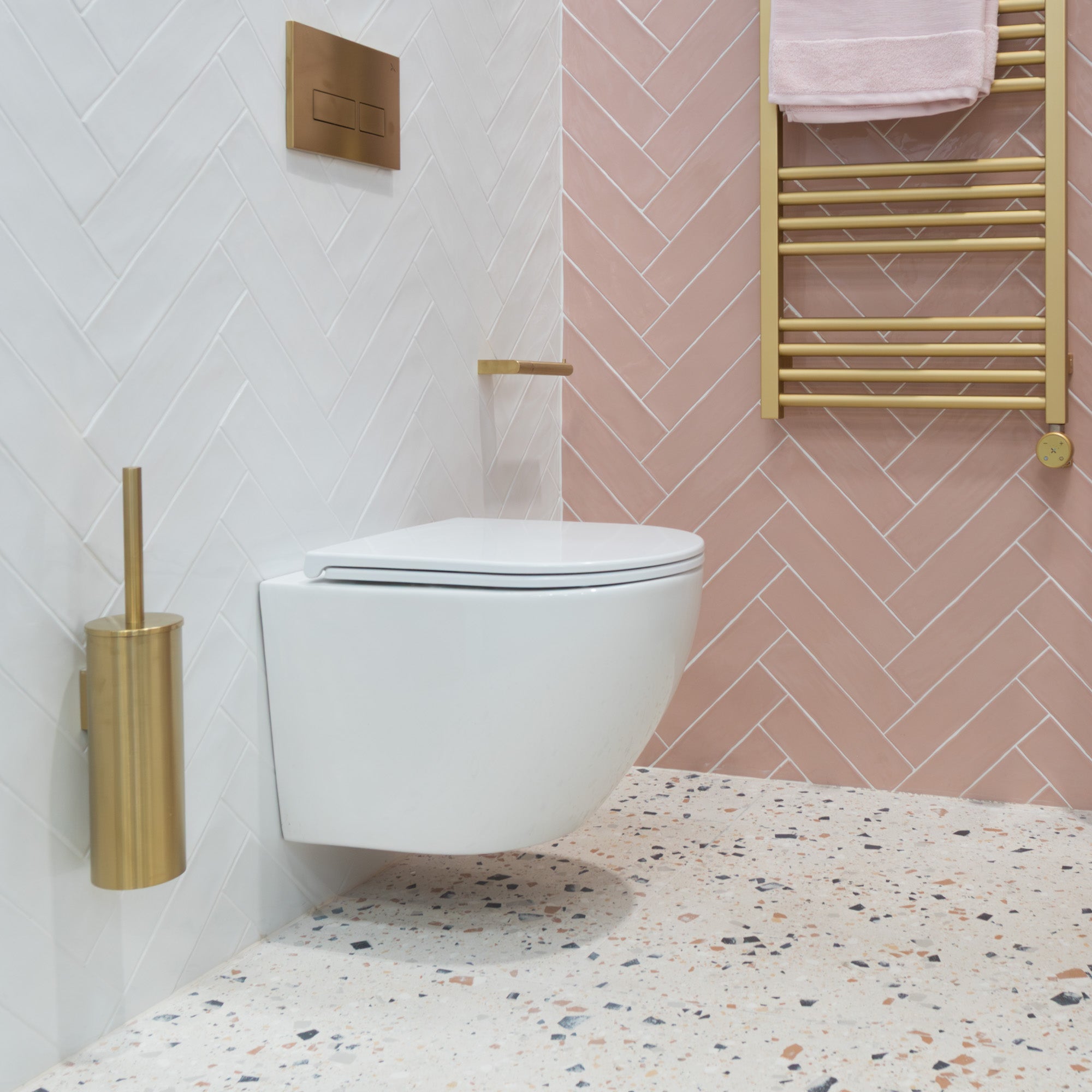
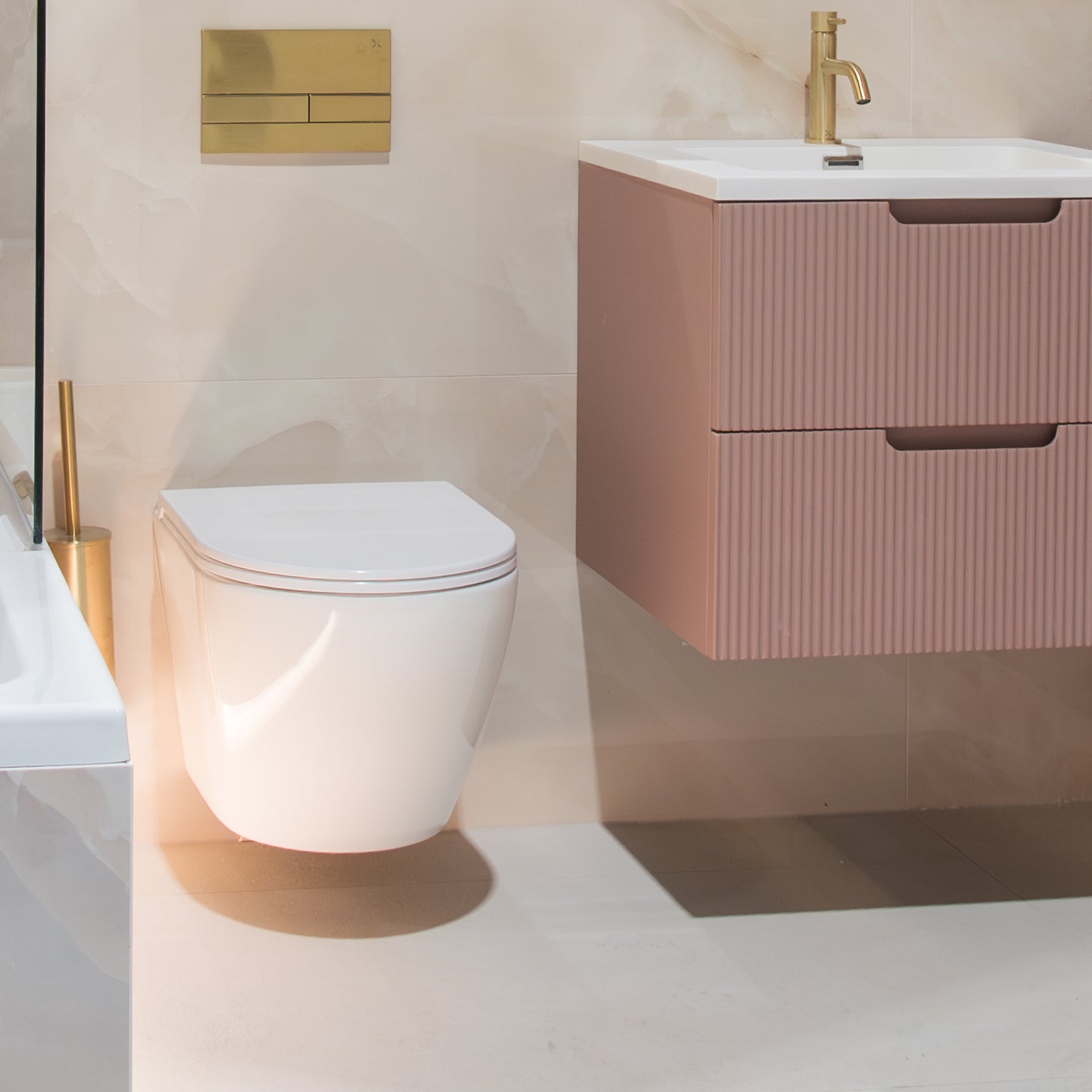
Conversely, a wall-hung toilet is bolted to a heavy-duty steel frame concealed behind the wall. The cistern is also hidden, leaving only the bowl and the flush plate visible. This creates a "floating" effect that is synonymous with high-end, luxury bathroom design.
Why choose a wall-hung toilet for small spaces?
The most significant benefit of a wall-hung toilet is the visual and physical space it reclaims. Because the cistern is tucked inside the wall cavity or a slim stud wall, the toilet pan sits closer to the wall than a standard close-coupled unit.
1. The Illusion of Floor Area
By exposing the floor tiles beneath the toilet, the eye travels further, making a cramped en-suite feel significantly larger. This "floating" design removes the bulky footprint associated with traditional pedestals.
2. Streamlined Cleaning and Hygiene
Maintaining a hygienic bathroom is simpler when there is no base to scrub. Dust and grime often settle around the silicone seal of a floor-mounted toilet. With a wall-hung model, you can run a mop directly under the bowl, ensuring no bacteria-trapping corners remain.
3. Adjustable Mounting Height
Standard toilets come at a fixed height. During the installation of a wall-hung frame, we can adjust the height of the pan to suit your specific needs. This is a game-changer for taller individuals or those with limited mobility who require a higher seat for comfort.
Is a floor-mounted toilet better for your budget?
While wall-hung models offer a sleek look, floor-mounted toilets remain the standard for a reason. They are generally more cost-effective and straightforward to maintain.
Simple Installation and Retrofitting
If you are doing a quick refresh rather than a full "back-to-brick" renovation, a floor-mounted or low-level toilet is usually the way to go. It connects easily to existing soil pipes without the need to build out a stud wall or reinforce the floor.
Long-term Maintenance Access
Accessing the cistern of a floor-mounted toilet is as simple as lifting the lid. With wall-hung systems, you access the internal valves through the flush plate. While modern frames like those from Geberit or Grohe are incredibly reliable, any significant plumbing issues behind the wall can be more complex to resolve.
Comparison Table: Wall Hung vs Floor Mounted
|
Feature |
Wall-Hung Toilet |
Floor-Mounted Toilet |
|
Aesthetic |
Modern & Minimalist |
Traditional & Versatile |
|
Floor Space |
Maximum (Clear floor) |
Occupied by base |
|
Cleaning |
Very Easy |
Moderate (base corners) |
|
Installation |
Complex (Requires frame) |
Simple (Bolts to floor) |
|
Typical Cost |
Higher (Unit + Frame + Labour) |
Lower (Unit + Standard Labour) |
|
Accessibility |
Adjustable height |
Fixed height |
Technical Considerations for Homeowners
Before committing to a wall-hung design, we must assess the structural integrity of your bathroom walls.
- Stud Walls: If you have a timber-framed wall, the steel carrier frame must be securely tied into the studs to support the weight (typically tested up to 200kg–400kg).
- Solid Walls: On masonry walls, we often build a "false wall" or boxing to house the cistern and frame. This can then be used as a handy shelf for luxury bathroom accessories.
- Plumbing: Ensure your waste pipe (soil pipe) can be adapted. Wall-hung toilets usually require a horizontal outlet through the wall.
Which should you choose?
If your goal is a high-end, modern look that makes a small room feel grand, the wall hung vs floor mounted toilet debate has a clear winner: the wall-hung model. It offers superior hygiene and a customisable height that enhances daily comfort.
However, if you are working on a tighter budget or prefer a classic style with easy-access plumbing, a floor-mounted model remains a dependable and stylish choice. You can still achieve a modern look by choosing a "back-to-wall" floor-standing model, which hides the pipework without needing a concealed frame.
For more inspiration on your next project, read our guide to the different types of toilets.
Frequently Asked Questions
Can a wall-hung toilet fall off the wall?
No, provided it is installed correctly. Modern steel carrier frames are engineered to support massive weights, often exceeding 200kg. As long as the frame is anchored to the floor and solid wall studs, it is perfectly secure.
Are wall-hung toilets more expensive?
Generally, yes. You must purchase the toilet pan, the concealed cistern, and the support frame. The labour costs are also higher due to the structural work required to hide the tank behind the wall.
How do you fix a leak in a concealed cistern?
Most maintenance is done through the flush plate. You can remove the button panel to reach the flush valve and inlet valve without damaging your tiles.
Do I need a special wall for a wall-hung toilet?
You need a wall with enough depth to house the cistern (usually 100mm–150mm). If your wall isn't deep enough, we can build a small boxed-out section that doubles as a decorative ledge.