Bathroom Underfloor Heating
3 products
Showing 1 - 3 of 3 products
Underfloor heating changes the whole feel of a bathroom, replacing cold tiles with an even warmth that rises gently from the ground up. It clears surface moisture quickly, removes cold spots underfoot, and frees up wall space that would otherwise be taken by a radiator. We stock systems built to handle the demands of modern Irish homes, whether you're renovating a family bathroom or a small en-suite.
How Electric Underfloor Heating Bathroom Systems Work
Electric underfloor heating uses heating cables installed beneath the finished floor. A thermostat controls the system and allows you to set the desired temperature and operating schedule. Because the system runs independently of your main central heating, you can warm the bathroom floor even in summer when the boiler is switched off, and running costs stay low once everything is set up correctly.
Selecting Your Heating Mat or Cable
You have two main options for installation.
Heating Mats
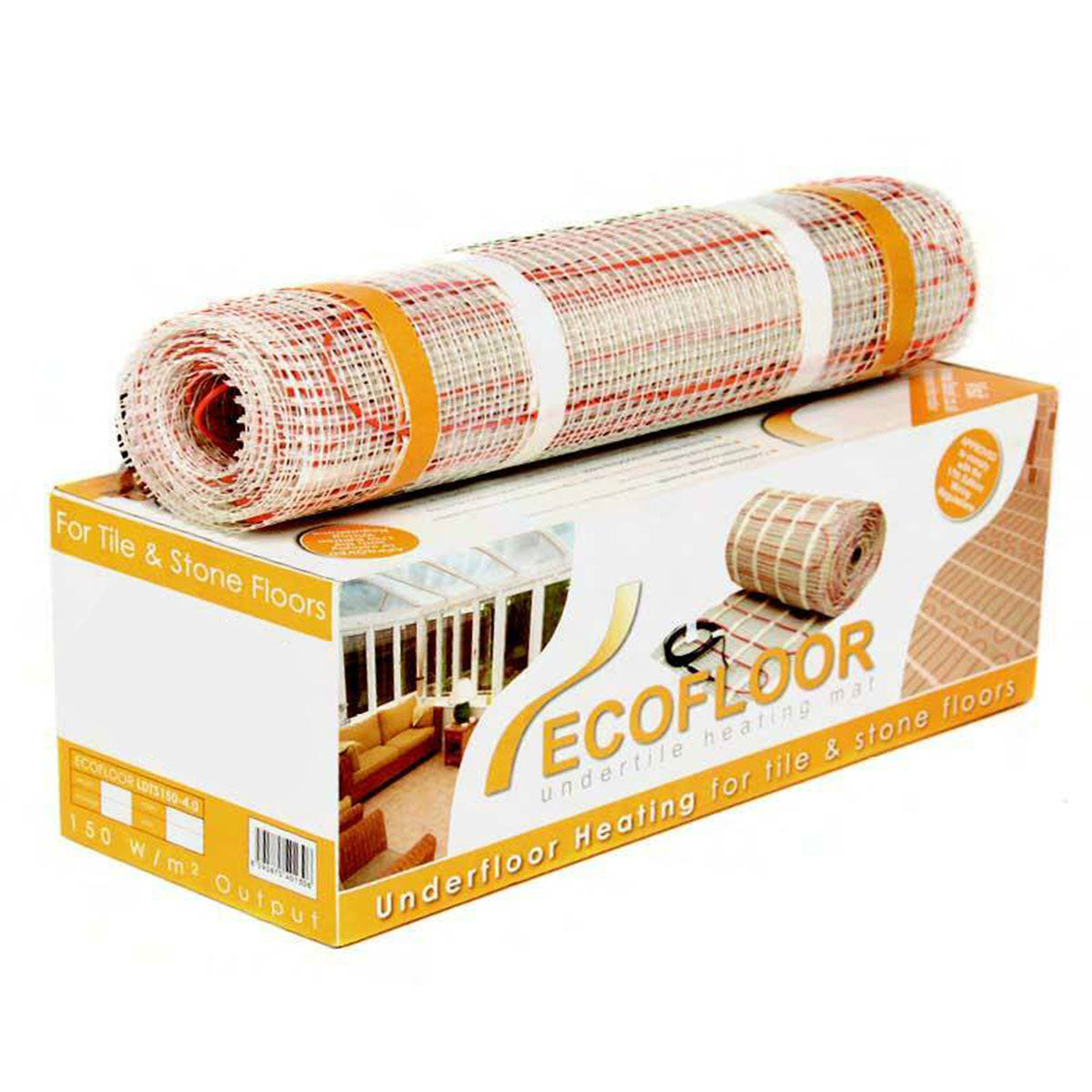
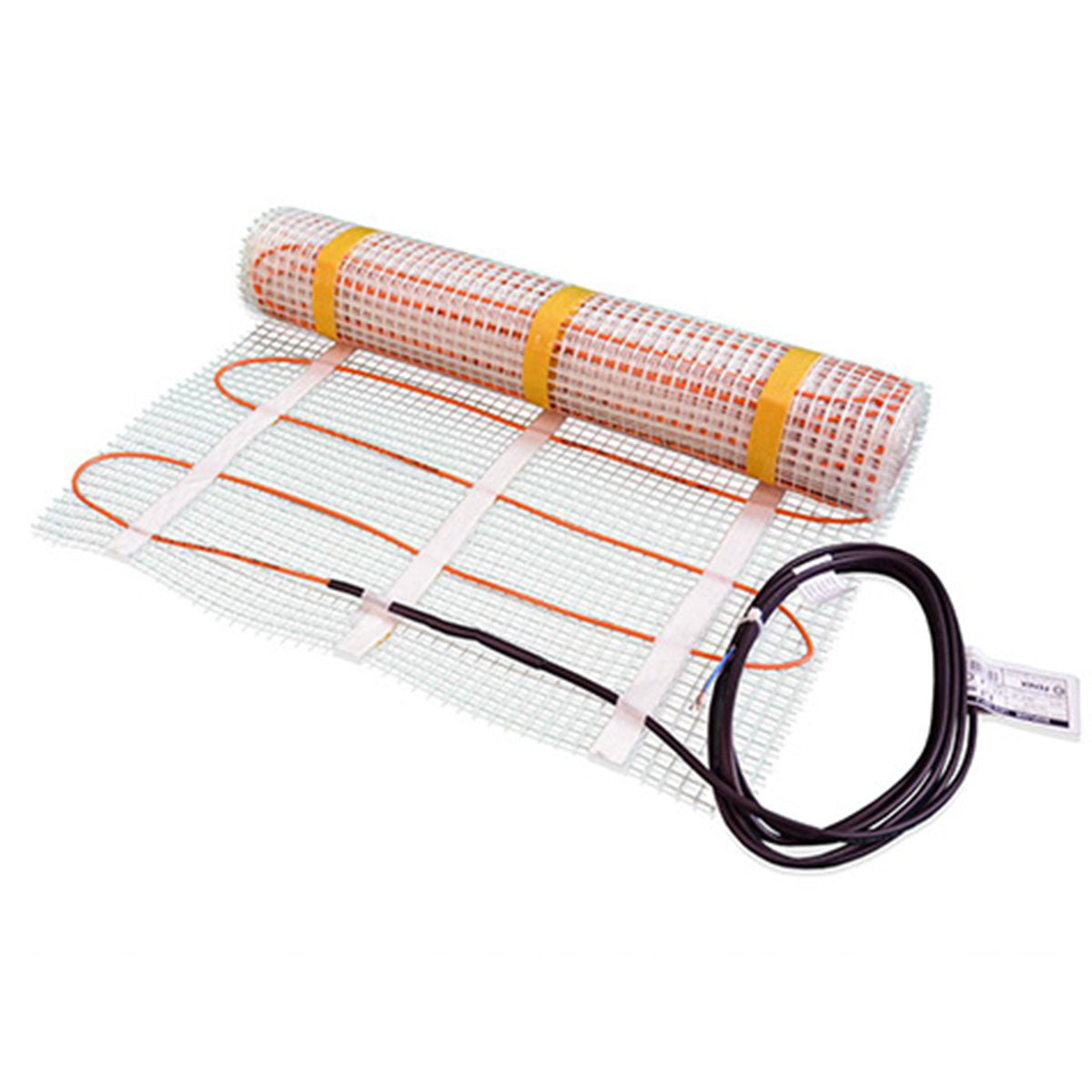
Mats come with the cable already spaced out on a self-adhesive fibreglass mesh, so installation is largely a case of rolling it out over the floor area. This makes mats the quicker option for regular, square-shaped rooms.
Loose Wire Systems
Loose cable systems give you far more flexibility over spacing, which matters in rooms with awkward fixtures like toilets and bathroom vanity units. This approach tends to work best in smaller or irregularly shaped en-suites where a standard mat wouldn't fit well.
The Importance of Insulation Boards
It's worth investing in insulation boards rather than skipping them. Fitting insulation beneath the heating system pushes the warmth up into the room instead of losing it to a cold concrete subfloor, cutting your heat-up time significantly and keeping running costs down over the long term.
Smart Thermostats and Controls
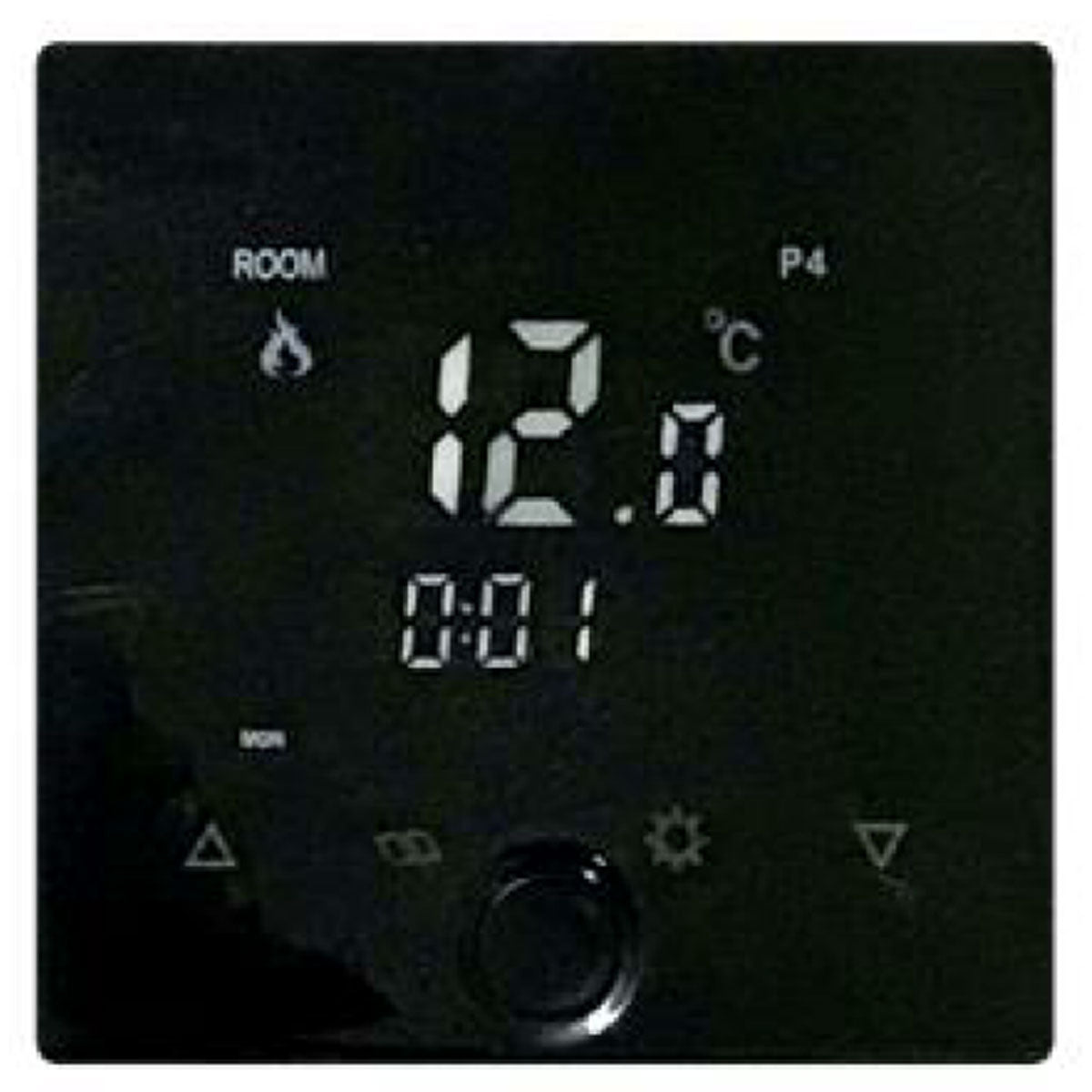
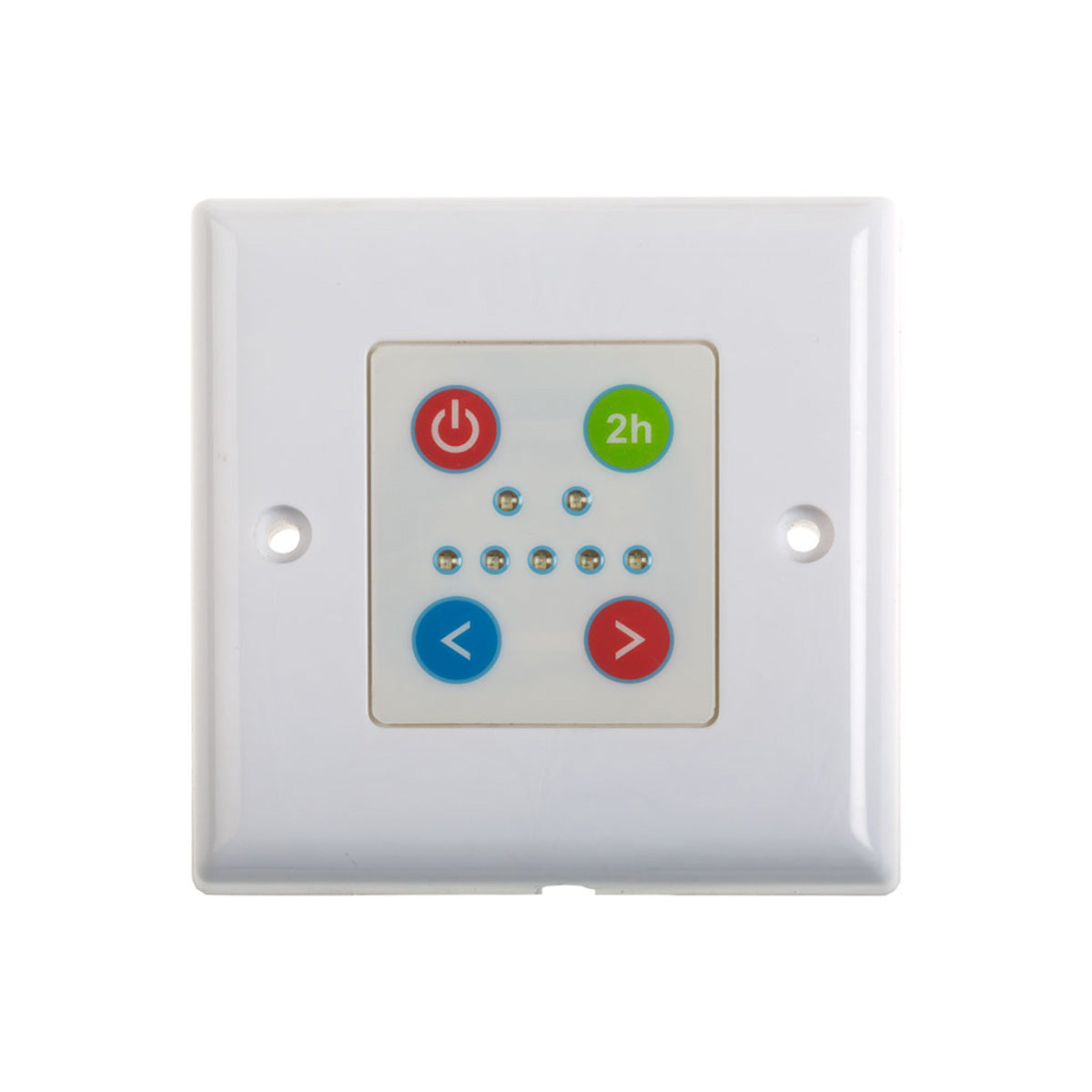
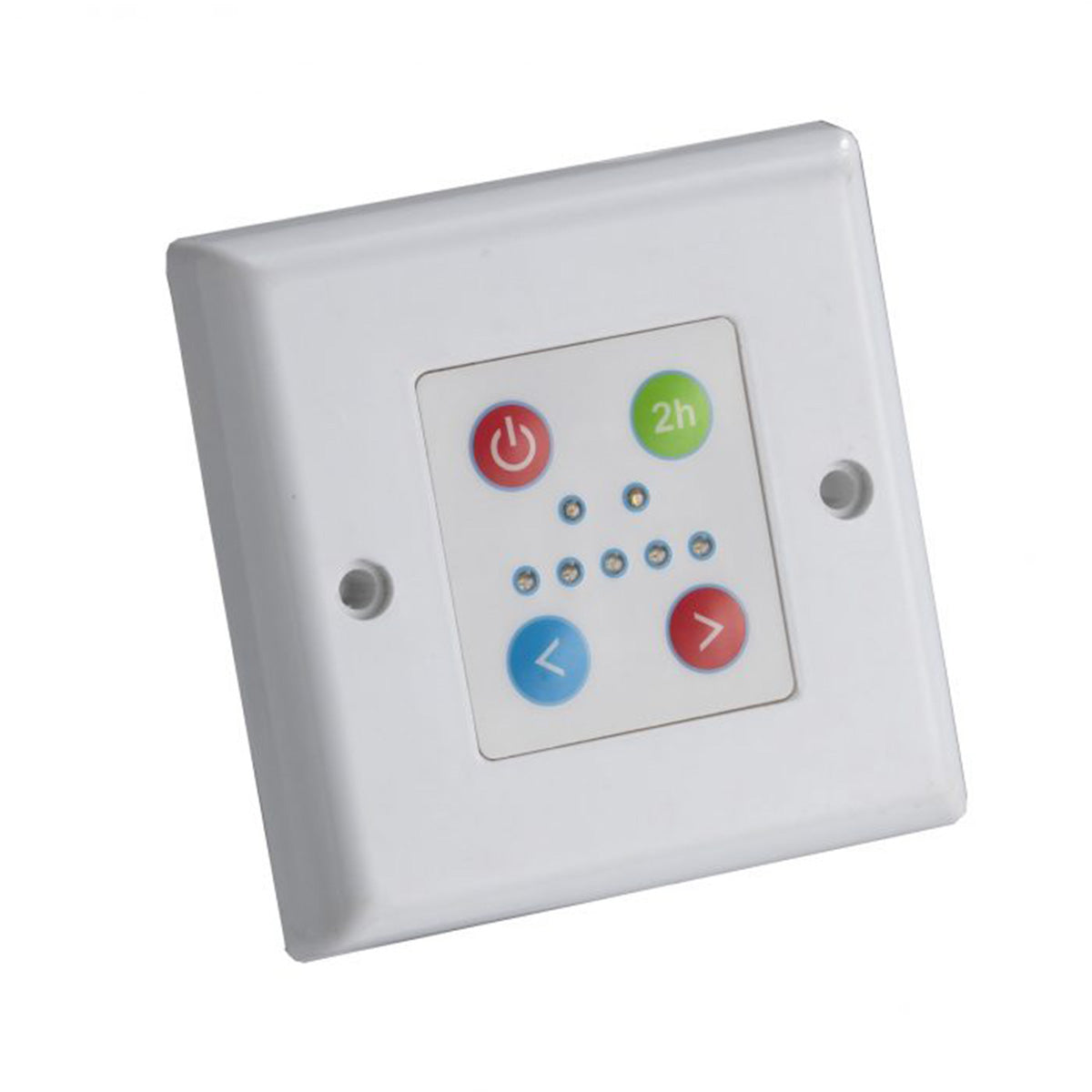
Your thermostat has a big influence on how much you spend running the system. We supply programmable thermostats, letting you schedule the floor to warm up shortly before you wake or control it remotely from your phone. Either way, you get warmth exactly when you need it, without heating an empty room.
Finishing Your Renovation
Hard floor finishes work best with underfloor heating, since tiles conduct warmth efficiently. Once the heating mats are in, you can complete the look with one of our radiators, or pair it with a bath from our freestanding baths collection. The final mains connection should always go to a registered electrician, who'll make sure everything meets the relevant safety regulations for a wet zone.
Why Buy Heating Systems from Deluxe Bathrooms?
A few reasons Irish homeowners choose us for their heating systems
-
Independent heating: Heat the bathroom without running the whole central-heating system.
-
Even floor warmth: Distributes heat across the heated floor area.
-
Flexible installation: Mats and loose cable systems suit different room shapes.
-
Programmable control: Schedule heating around your routine.
-
Minimal visual impact: No radiator taking up wall space.
-
Nationwide delivery: Fast shipping on every heating system.
FAQs Bathroom Underfloor Heating
Can I put electric underfloor heating under a shower tray?
No. Heating cables should never run directly under a shower tray or bath; only the walkable floor area needs to be heated.
Is an electric underfloor heating bathroom system expensive to run?
Running cost depends on the system's wattage, how long it operates and your electricity tariff. Good insulation can reduce heat loss, while a programmable thermostat can prevent unnecessary heating. Because you can heat the bathroom independently, you don't necessarily need to run your home’s entire central-heating system just to warm the bathroom.
Do I need an electrician to install it?
Your tiler or builder can lay the mats and floor sensors, but the final connection to your home's mains power must be carried out by a registered electrician.
Can electric underfloor heating be installed under tiles?
Yes. Electric underfloor heating is particularly well suited to tiled and stone floors because these materials transfer heat efficiently. The heating mat or cable is installed beneath the finished surface, with the appropriate adhesive, levelling compound and tile system used to suit the heating system. Always check that the specific flooring, adhesive and underfloor heating system are compatible before installation, and follow the manufacturer's temperature and installation requirements.