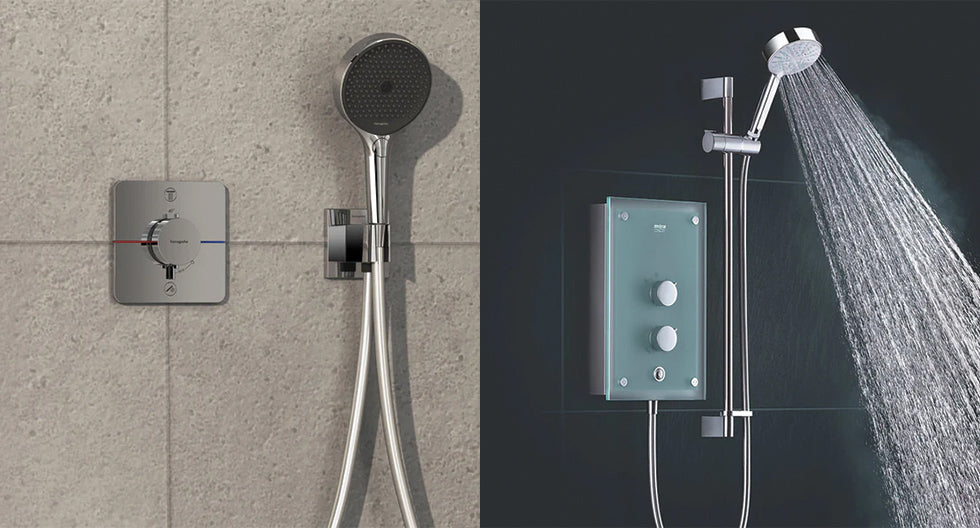
Choosing between an electric shower and a thermostatic shower depends on your boiler type, your water pressure, and how many people are using the hot water in your home at once. While electric showers are the go-to for households with limited hot water or low pressure, thermostatic showers offer a more powerful flow and precise temperature control if you have a high-capacity hot water tank or a combi boiler.
Key Takeaways
- Electric showers heat water on demand using an internal element, making them independent of your boiler.
- Thermostatic showers draw from your existing hot water supply but include a valve that prevents sudden temperature spikes.
- Plumbing compatibility is vital: electric showers work well with gravity-fed systems, while thermostatic valves prefer high-pressure setups.
- Energy efficiency is higher with electric models as you only heat the water you actually use.
- Installation costs vary: electric showers require a dedicated high-voltage electrical circuit and a cold water feed.
Understanding the Core Difference: Electric Shower vs. Thermostatic Shower
The primary difference lies in how the water is heated. An electric shower acts like a kettle. It takes a cold water feed and passes it over a heating element inside the unit. This means if your boiler breaks down, you can still have a hot shower.
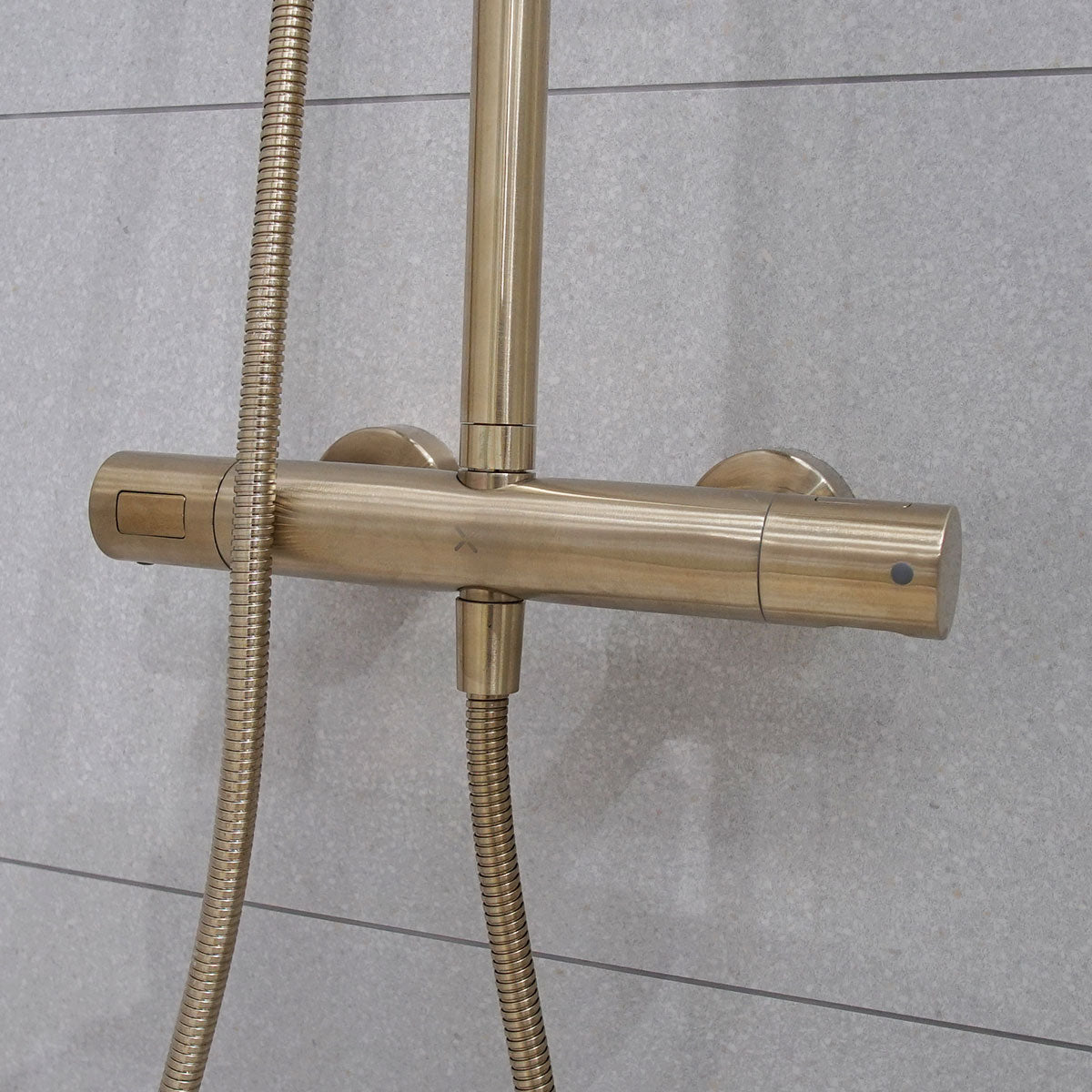
A thermostatic shower is a mixer. It takes both hot and cold water from your pipes and blends them to your chosen temperature. The "thermostatic" part refers to a clever valve inside that reacts to pressure changes. If someone turns on a kitchen tap or flushes a toilet, the valve adjusts the mix instantly to ensure you don't get a burst of freezing or scalding water.
Pros and Cons of Electric Showers
Electric showers are incredibly popular across Ireland, particularly in older homes or apartments. Because they only need a cold water pipe, they're often the simplest solution for an ensuite or a second bathroom.
The benefits:
- Independence: They don't rely on your boiler or hot water cylinder.
- Efficiency: You aren't heating a whole tank of water just for one person to wash.
- Reliability: You’ll never run out of hot water mid-shampoo.
The drawbacks:
- Lower pressure: Because the water has to spend time passing over the heating element, the flow rate is usually weaker than that of a mixer.
- Hard water issues: In many parts of Ireland, limescale can build up on the internal heating element over time, reducing efficiency.
- Electrical requirements: You must have a heavy-duty cable and a dedicated RCD-protected circuit installed by a qualified electrician.
Pros and Cons of Thermostatic Showers
If you enjoy a "drenching" rain shower experience, a thermostatic mixer is usually the better choice. These units rely on your home’s plumbing to do the heavy lifting.
The benefits
- Higher flow rates: Since the water is already hot, the shower can pump out much higher volumes per minute.
- Safety: The thermal shut-off feature is a must-have for families with children or elderly users to prevent accidental scalding.
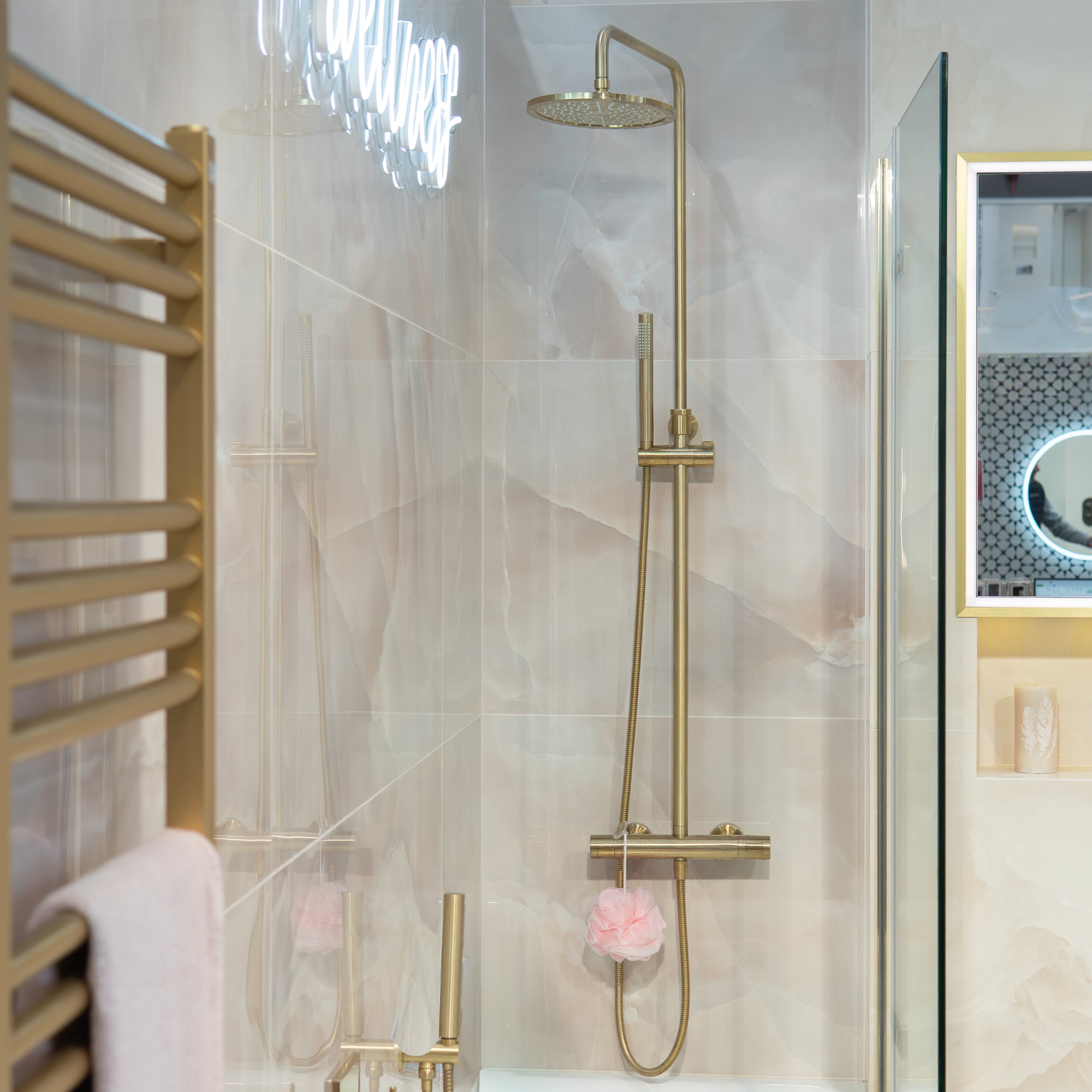
- Design variety: You can choose from concealed valves for a minimalist look or exposed rails with large overhead rain heads.
The drawbacks
- Boiler dependence: If your boiler is off or your cylinder is empty, you're stuck with a cold shower.
- Pressure sensitivity: If you have a gravity-fed system with low "head" (the distance between the tank and the shower head), you might need to install a separate booster pump.
Comparing Performance and Irish Water Systems
In Ireland, we deal with a mix of gravity-fed (low-pressure) and mains-fed (high-pressure) systems. This is the most important factor in your decision on what types of bathroom showers you should fit in your home.
Gravity-fed systems
Most traditional Irish homes have a cold water tank in the attic and a hot water cylinder in the copper cylinder press. In this setup, an electric shower is often the easiest "fix" for poor pressure because the unit regulates the flow itself. If you want a thermostatic shower here, you’ll likely need a "power shower" variant, which includes an internal pump to boost the flow.
Combi boilers and high-pressure systems
If you have a modern combi boiler or a high-pressure unvented cylinder, a thermostatic shower is the clear winner. Your system already provides high-pressure hot water, so adding an electric unit would actually be a downgrade in terms of water volume and luxury feel.
Installation and Maintenance Costs
Budgeting for a new shower involves more than just the price of the unit. We see many homeowners surprised by the "hidden" costs of switching types.
- Electric installation: If you’re moving from a mixer to an electric model, you’ll need a plumber to run a new cold pipe and an electrician to run a 10mm cable from your fuse board. This can be expensive.
- Mixer installation: Replacing an old mixer with a new thermostatic valve is usually straightforward if the pipe centres (the distance between the hot and cold pipes) match.
- Maintenance: Electric showers have more moving parts and electrical components that can fail. Thermostatic valves usually just require the occasional cartridge clean to remove grit or scale.
Which one should you choose?
Choose an electric shower if:
- You have a large family and often run out of hot water in the cylinder.
- You want a shower that works even if the boiler fails.
- You are adding a bathroom where running a hot water pipe would be difficult.
Choose a thermostatic shower if:
- You have a combi boiler or high-pressure system.
- You want a powerful, high-flow "hotel feel" experience.
- You want a minimalist design with valves hidden behind the wall.
Frequently Asked Questions
Which is cheaper to run, an electric or a thermostatic shower?
Generally, an electric shower is cheaper to run because it only heats the exact amount of water you use. Thermostatic showers rely on your boiler heating a large tank of water, some of which may go to waste if the tank isn't fully used.
Can I replace an electric shower with a thermostatic one?
Yes, but it requires plumbing changes. You will need to bring a hot water feed to the shower location. You will also need to safely decommission and cap off the electrical supply previously used by the electric unit.
Do thermostatic showers work with low water pressure?
They will work, but the flow will be very weak. If you have low pressure, you should look for a "pumped" thermostatic shower or install a separate whole-house twin-ended pump to provide the necessary bar pressure.
Why does my electric shower get cold when someone turns on a tap?
Basic electric showers struggle with pressure fluctuations. If the incoming cold water pressure drops because a tap is opened elsewhere, the unit reduces the heat to prevent scalding, or the safety cut-out may trigger. High-end electric showers have stabilisers to help manage this.
Is a power shower the same as a thermostatic shower?
Not exactly. A power shower is a type of thermostatic mixer that contains an internal pump. It’s designed specifically for low-pressure, gravity-fed systems to mimic the feel of a high-pressure system.
Which type of shower lasts longer?
Thermostatic mixer valves often last longer because they lack complex electrical heating elements. However, in hard water areas, both types require maintenance to prevent limescale from damaging the internal cartridges or elements.